
A single 360° photograph can give rise to a multitude of images, each revealing a new perspective on the same place. Far more than just a photograph, it captures an entire environment and sometimes holds unexpected discoveries, waiting to be found long after the moment of capture.

Note: All the images in the following article are derived from a single 360° photo.
ONE 360° PHOTO, MANY IMAGES
When we take a traditional photograph, we choose a frame. We decide what we want to show, what we want to leave outside the image, and how we want to tell the story of a scene.
With 360° photography, this approach changes completely.
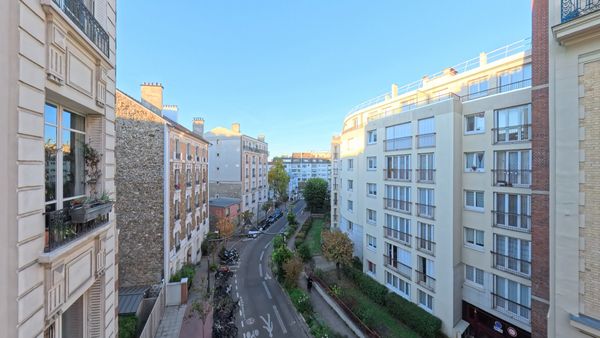
Instead of choosing a single viewpoint, we capture our entire surroundings. A single shot can then become a multitude of different images, each revealing another facet of the photographed location.
From a single 360° photograph, it is possible to extract several conventional images, freely choosing their direction and framing. A landscape, a building, a street, or an interior can thus give rise to several photographs, each with its own composition and atmosphere.
Each image tells a different story, even though they all originate from the same capture.
360° photography does not necessarily replace traditional photography. Instead, it offers another way of practicing it: take one shot, then compose multiple images.
CAPTURING AN ENTIRE PLACE
A traditional photograph captures a specific viewpoint. A 360° photograph captures a place in every direction.
This is a fundamental difference.
At the moment of capture, we do not necessarily know which images we will create later. We may focus on one element of the scene, only to discover that another direction offers an equally interesting composition.
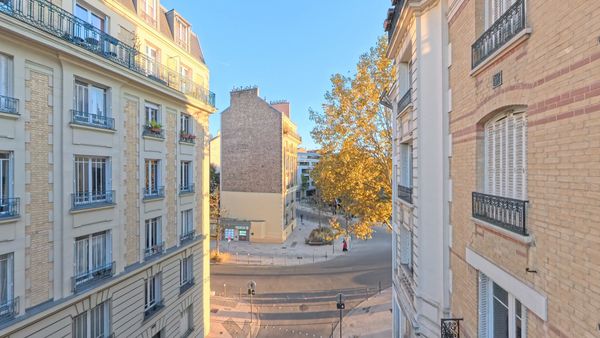
The 360° capture then becomes a kind of reservoir of potential images. It preserves the opportunity to revisit a place, explore its different perspectives, and extract new photographs, even long after the original shot was taken.
DISCOVERING WHAT WE DID NOT SEE
There is something particularly interesting about this approach: a 360° photograph can reveal things we did not notice in the actual scene.
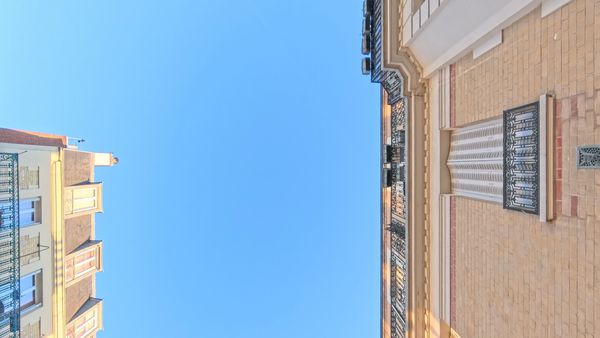
When we are physically present in a place, our attention is naturally directed. We look ahead, focus on a subject, or follow a movement. Some things are behind us, beside us, or simply outside our field of attention.
360° photography records these elements as well.
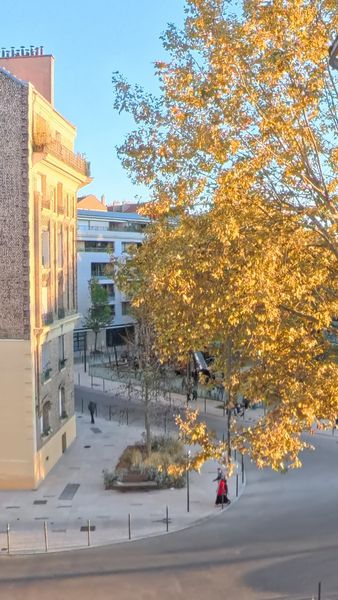
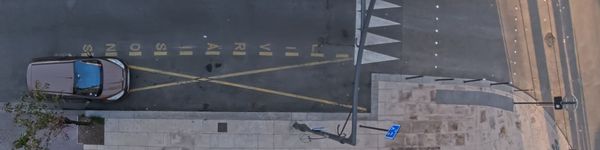
By exploring the capture afterward, we may discover a detail, a secondary scene, or a composition we would never have thought to photograph.
It is almost like discovering the place for a second time: we are no longer looking only at what we saw, but also at what we missed.
A CURRENT LIMITATION: RESOLUTION
This approach nevertheless has an important limitation: the resolution of today’s 360° cameras.
Even as resolutions continue to improve, a 360° image must cover our entire surroundings. The available pixels are therefore spread across a very large angular field.
When we extract a standard view, we generally obtain an image suited to a relatively wide framing. The cropping possibilities are interesting, but they remain limited when it comes to creating a close-up or isolating a distant detail.
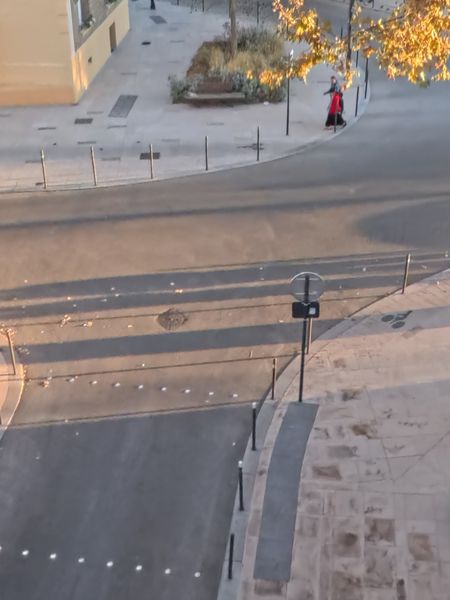
With sensors offering ever-higher resolutions, this constraint could gradually become less significant. We could then extract not only wide views, but also closer shots while retaining more detail.
360° photography could thus become a true source of images, ranging from wide establishing shots to more precise compositions.
A DIFFERENT WAY OF TAKING PHOTOGRAPHS
Ultimately, 360° photography invites us to rethink what it means to take a photograph.
We are no longer capturing only an image that we have chosen in advance. We are recording an entire place, with all the framing possibilities it contains.
Some images will be extracted immediately. Others will emerge as we explore. And some may still be waiting to be discovered.
One capture. Multiple images. And sometimes, a new way of seeing a place we thought we already knew.
Leave a Reply